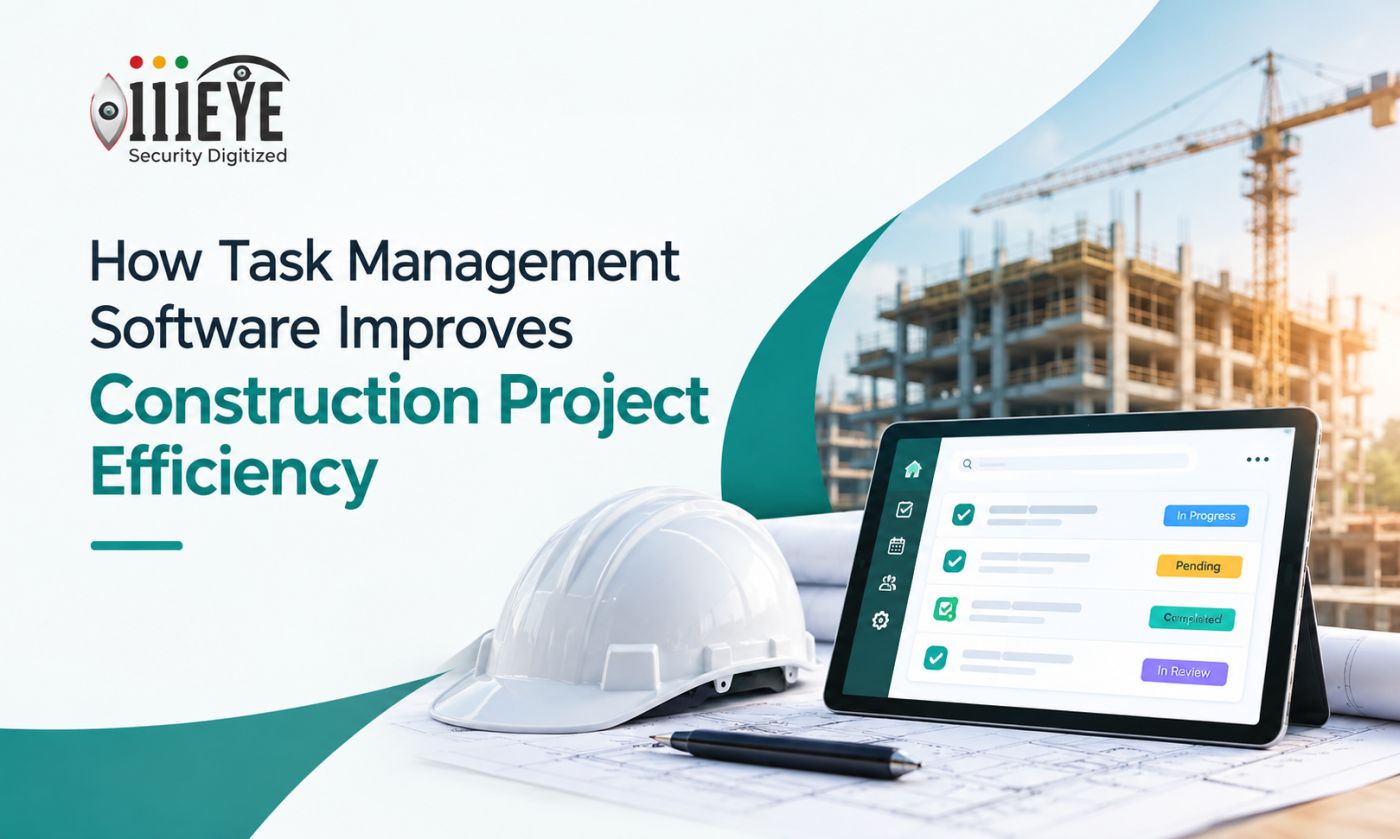
How Task Management Software Improves Construction Project Efficiency
Construction projects involve many moving parts—site teams, contractors, suppliers, engineers, deadlines, materials, and client requirements. When these activities are managed through spreadsheets, phone calls, or scattered messages, it becomes difficult to know what has been completed, what is pending, and where delays are building up.
This is where task management software can make a practical difference. It gives construction teams a structured way to create tasks, assign responsibilities, monitor progress, and keep everyone working toward the same project goals.
What is Task Management Software for Construction?
Task management software is a digital platform that helps businesses plan, assign, organize, and track work. In construction, it can be used to divide a project into smaller activities, assign those activities to the right people, set deadlines, and monitor completion.
Instead of relying on separate registers or conversations, teams can have a central view of ongoing work. Modern construction management platforms commonly provide task assignment, progress tracking, timelines, and team coordination features.
For construction companies in India, choosing a task management system in India can also help teams manage work according to their operational needs while keeping communication between office and site teams more organized.
Also, Read more here - Why Do Indian Companies Need an Employee Task Management System?
1. Creates Clear Task Ownership
One of the common challenges on construction sites is uncertainty about who is responsible for a particular activity.
A task management system allows project managers to assign specific tasks to employees, supervisors, contractors, or other team members. Each task can have an owner, priority, deadline, and status.
This creates accountability. Team members know what they need to complete, while managers can quickly identify pending activities without repeatedly making calls or sending messages.
2. Helps Keep Projects on Schedule
Construction delays can affect budgets, labour planning, material availability, and client commitments. A missed task can also create a chain reaction when the next activity depends on it.
With digital task tracking, project managers can monitor deadlines and identify overdue or upcoming activities. Breaking a large project into smaller tasks and milestones makes it easier to understand whether work is progressing according to plan.
This visibility allows managers to address potential delays earlier rather than discovering them during a weekly review.
3. Improves Communication Between Teams
Construction work often involves people working at different locations. Site engineers may be at the project location while managers, administrators, and senior decision-makers work from the office.
A centralized task platform gives teams a common place to check assignments and progress. Instead of searching through long WhatsApp conversations or emails, employees can refer to the relevant task and its latest status.
This reduces unnecessary follow-ups and helps keep project information organized.
4. Makes Progress Easier to Monitor
Knowing that a task has been assigned is not enough. Managers also need to know whether it is pending, in progress, completed, or delayed.
A task management system provides this visibility through task statuses, dashboards, reports, or timeline views. Some construction platforms also allow site teams to update progress from mobile devices, making it easier to capture information directly from the field.
For managers handling multiple projects, this can make daily monitoring considerably easier.
5. Supports Better Team Productivity
Productivity improves when employees have clear priorities and fewer administrative obstacles. Instead of spending time remembering tasks or repeatedly asking for updates, teams can focus on completing their assigned work.
Managers can also prioritize urgent activities and distribute workloads more effectively. Over time, task records can help identify recurring delays, bottlenecks, or activities that require additional resources.
6. Reduces Dependence on Spreadsheets and Manual Tracking
Spreadsheets can be useful for basic tracking, but they can become difficult to maintain as projects grow. Multiple versions, manual updates, and limited visibility can make it harder to maintain accurate information.
A centralized task management solution provides one place for project activities and updates. This reduces duplication and makes project information easier to access.
7. Helps Construction Businesses Make Better Decisions
Good project decisions depend on reliable information. When managers can see pending tasks, completed work, deadlines, and team responsibilities, they can respond more quickly to operational issues.
For example, if a critical activity is delayed, the manager can review the dependency, communicate with the responsible team, and adjust the next steps instead of waiting until the delay affects the entire schedule.
Also, Read more here - How a Task Management System Improves Cybersecurity Operations
How IIiEYE Can Help
IIIEYE provides workplace automation and management solutions designed to help organizations manage their everyday operations digitally. Its task management solution can support businesses in organizing work, assigning responsibilities, monitoring activities, and improving operational visibility.
For construction companies looking for a practical task management system in India, the right solution should be easy for both office staff and field teams to use. It should simplify work rather than add another complicated process.
Frequently Asked Questions
Q1. How does task management software improve construction efficiency?
It improves efficiency by helping teams assign responsibilities, set deadlines, monitor progress, organize work, and identify pending activities from a centralized platform.
Q2. Can task management software help reduce construction delays?
Yes. By tracking deadlines and task status, managers can identify overdue or at-risk activities earlier and take corrective action before they create larger project delays.
Q3. Is a task management system useful for construction companies in India?
Yes. Construction businesses managing multiple teams, sites, contractors, and deadlines can benefit from centralized task tracking and better coordination.
Q4. What should construction companies look for in task management software?
Look for simple task assignment, deadline tracking, status updates, notifications, reporting, role-based access, mobile accessibility, and features that fit the company's existing workflow.
Final Thoughts
Construction efficiency is not only about completing more work—it is about making sure the right work is completed by the right person at the right time. Task management software brings structure to this process by giving teams better visibility, accountability, and coordination.
For growing construction businesses, adopting a suitable digital task management solution can be a practical step toward reducing manual tracking, improving communication, and keeping projects moving in the right direction.