
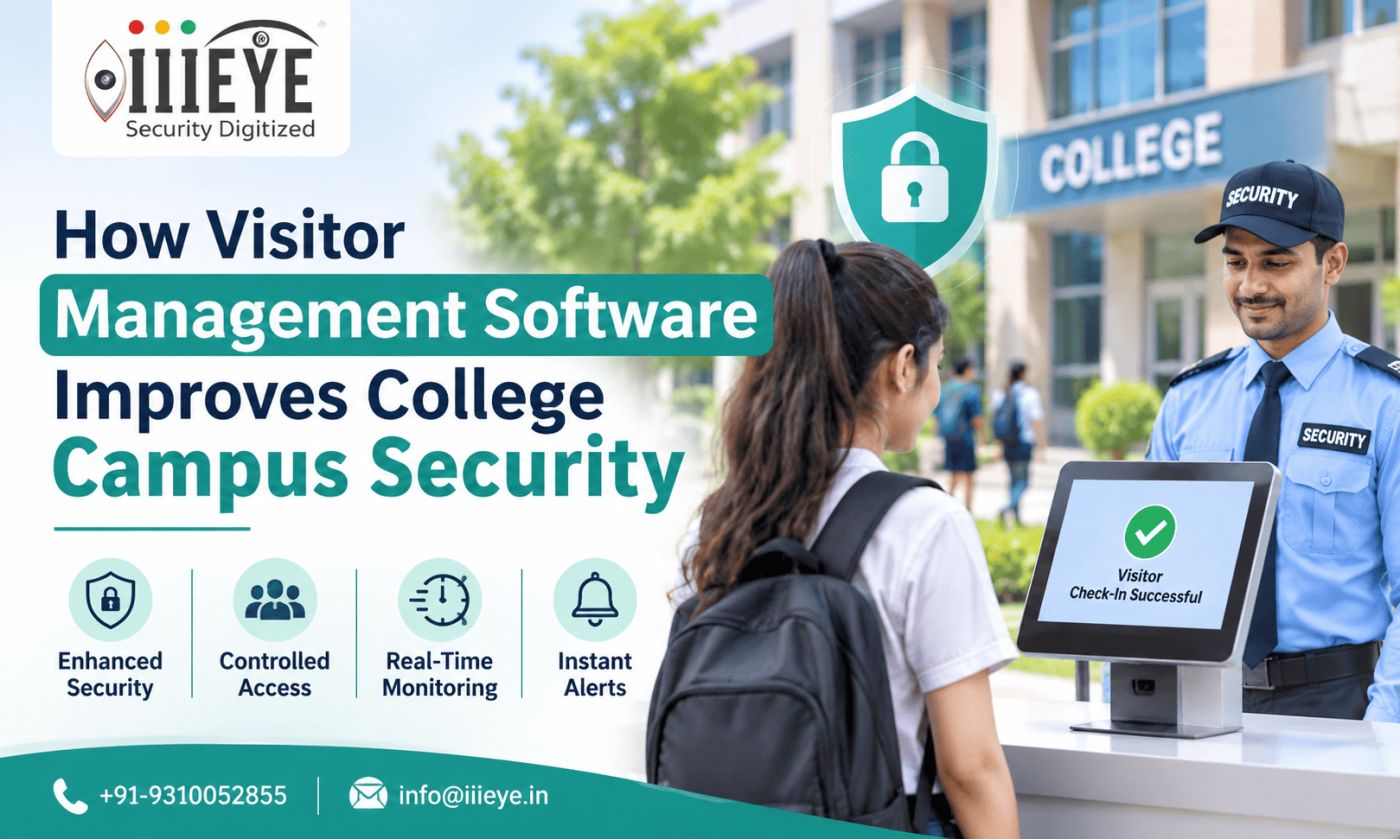
How Visitor Management Software Improves College Campus Security
Colleges and universities welcome hundreds of people every day, including students, teachers, parents, vendors, guests, and service providers. Managing the movement of these visitors is important for maintaining a safe and organised campus. Traditional entry registers and manual verification can make this process difficult, especially during busy hours.
This is where visitor management software for college campuses becomes useful. It helps educational institutions record visitor details, monitor entry and exit activities, and maintain better control over campus access. With digital visitor management, colleges can make their entry process more structured while improving the overall experience for visitors.
Why is Campus Visitor Management Important?
A college campus is a large environment with multiple entry points, academic buildings, administrative offices, laboratories, libraries, and other facilities. Without a proper visitor tracking process, security teams may find it difficult to identify who is entering the premises and where they need to go.
A digital visitor management system helps security staff maintain accurate visitor records. It also reduces dependency on paper registers, makes information easier to retrieve, and supports better coordination between security teams and college departments.
How Visitor Management Software Improves College Campus Security
1. Digital Visitor Registration
Manual registration can take time and may result in incomplete or difficult-to-read records. Visitor management software allows security personnel to enter visitor details digitally, such as name, contact information, purpose of visit, and the department they wish to meet.
This creates a more organised record of campus visitors and makes it easier to review previous visits when required.
2. Better Visitor Verification
Knowing who is entering the campus is an important part of maintaining security. A digital system can support identity verification by recording relevant visitor information and capturing photographs, where enabled.
This helps security personnel follow a consistent registration process before allowing visitors inside the premises.
3. Instant Host Notifications
Sometimes visitors arrive to meet a professor, department head, administrative employee, or college management representative. Informing the concerned person manually can cause unnecessary delays.
With automated notifications, the host can receive an alert when a visitor arrives. This improves communication between visitors, college staff, and security personnel.
4. Visitor Pass Generation
Digital visitor passes make it easier to identify authorised visitors within the campus. Depending on the system configuration, the software can generate visitor passes with relevant details, photographs, or QR codes.
Security teams can use these passes to distinguish registered visitors from other people on the premises.
5. Accurate Entry and Exit Tracking
Recording both entry and exit details is essential for maintaining visitor movement records. A visitor management system helps colleges track when a person enters and leaves the premises.
These records can also support internal security reviews and help administrators understand daily visitor activity.
6. Reduced Manual Work for Security Staff
Maintaining paper registers, searching old records, and contacting different departments can increase the workload of security personnel.
Automated registration and digital record management simplify these activities. Security staff can spend more time monitoring campus entry points rather than handling repetitive paperwork.
Key Features to Look for in the Best Visitor Management Software
When selecting the Best visitor management software, colleges should consider features that match their security requirements and daily operations.
Some useful features include:
1. Online Visitor Registration: Records visitor information digitally.
2. Photo Capture: Helps maintain visitor identification records.
3. OTP Verification: Adds an additional verification step where supported.
4. Digital Visitor Pass: Generates passes for registered visitors.
5. Host Notifications: Alerts the concerned staff member about visitor arrivals.
6. Entry and Exit Tracking: Maintains visitor movement records.
7. Visitor History: Makes previous visitor information easier to access.
8. Reporting and Analytics: Helps administrators review visitor activity.
The right combination of features depends on campus size, visitor volume, security policies, and existing infrastructure.
How IIIEYE Supports College Visitor Management
IIIEYE provides cloud-based visitor management and workplace automation solutions designed to simplify organisational operations. Its visitor management system can help colleges and educational institutions manage visitor registration, digital entry records, visitor passes, and host notifications through a structured process.
By reducing paperwork and improving access monitoring, IIIEYE helps institutions create a more organised visitor handling experience. Colleges can explore a digital approach to managing campus visitors while supporting their existing security procedures.
Conclusion
Campus security requires more than security guards and physical entry gates. Educational institutions also need a reliable process to identify visitors, record their details, and monitor their movement.
Visitor management software for college campuses makes these activities easier through digital registration, visitor verification, automated notifications, and entry-exit tracking. Choosing the right solution can help colleges improve administrative efficiency while creating a safer and more organised campus environment.
About the Author

Preeti Sharma
Digital Marketing & Content SpecialistPreeti Sharma is a digital marketing and content professional focused on SEO, AEO, GEO, SaaS, workplace technology and software solutions. She creates research-based content designed to make complex technology topics easier to understand for businesses and decision-makers.