10 Benefits of Using CMMS Software for Facility Maintenance
Managing facility maintenance is not just about fixing equipment when something goes wrong. From HVAC systems and elevators to electrical equipment, fire safety systems, generators, and other essential assets, regular maintenance keeps a facility safe and operational. When these activities are managed through spreadsheets, paper registers, calls, or scattered messages, it becomes difficult to know what has been completed and what still needs attention.
This is where CMMS software can make a practical difference. A Computerized Maintenance Management System brings maintenance requests, work orders, asset information, preventive maintenance schedules, and service records together in one place.
Also, Read more here - How to Use CMMS Software: A Step-by-Step Guide
Here are 10 Important Benefits of Using CMMS for Facility Maintenance
1. Reduces Unexpected Equipment Downtime
Unexpected breakdowns can disrupt daily operations and sometimes result in expensive repairs. CMMS helps facility teams schedule regular inspections and preventive maintenance so potential issues can be addressed before they turn into major failures.
2. Makes Preventive Maintenance Easier
Remembering every service date manually can be difficult, especially when a facility has hundreds of assets. A CMMS can automate maintenance schedules and generate reminders or work orders for recurring activities. This helps teams follow a planned maintenance routine instead of depending only on reactive repairs.
3. Keeps Asset Information in One Place
Facility managers need quick access to information such as equipment details, installation dates, service history, warranties, and previous repairs. With a centralized asset register, this information can be linked to individual assets, making maintenance decisions easier and more informed.
4. Improves Work Order Management
A maintenance request can easily get lost when it is reported through phone calls, emails, or informal messages. CMMS software allows teams to create, assign, prioritize, monitor, and close work orders digitally. Managers can also see which jobs are pending, in progress, or completed.
5. Improves Technician Productivity
Maintenance teams often waste time searching for asset information or checking the status of different requests. A centralized system gives technicians access to the information they need and provides a clear list of assigned jobs. This can help them spend more time on actual maintenance work.
6. Helps Control Maintenance Costs
Maintenance costs are not limited to repair bills. Spare parts, technician hours, emergency repairs, and equipment replacement can all affect the budget. By recording maintenance activities and costs, facility managers can identify recurring problems and make better decisions about repairs, replacements, and resource allocation.
7. Extends the Life of Facility Assets
Regular servicing can help equipment remain in good working condition for longer. CMMS provides a record of an asset's maintenance history, making it easier to identify recurring issues and ensure that important servicing is not overlooked.
8. Provides Better Maintenance Visibility
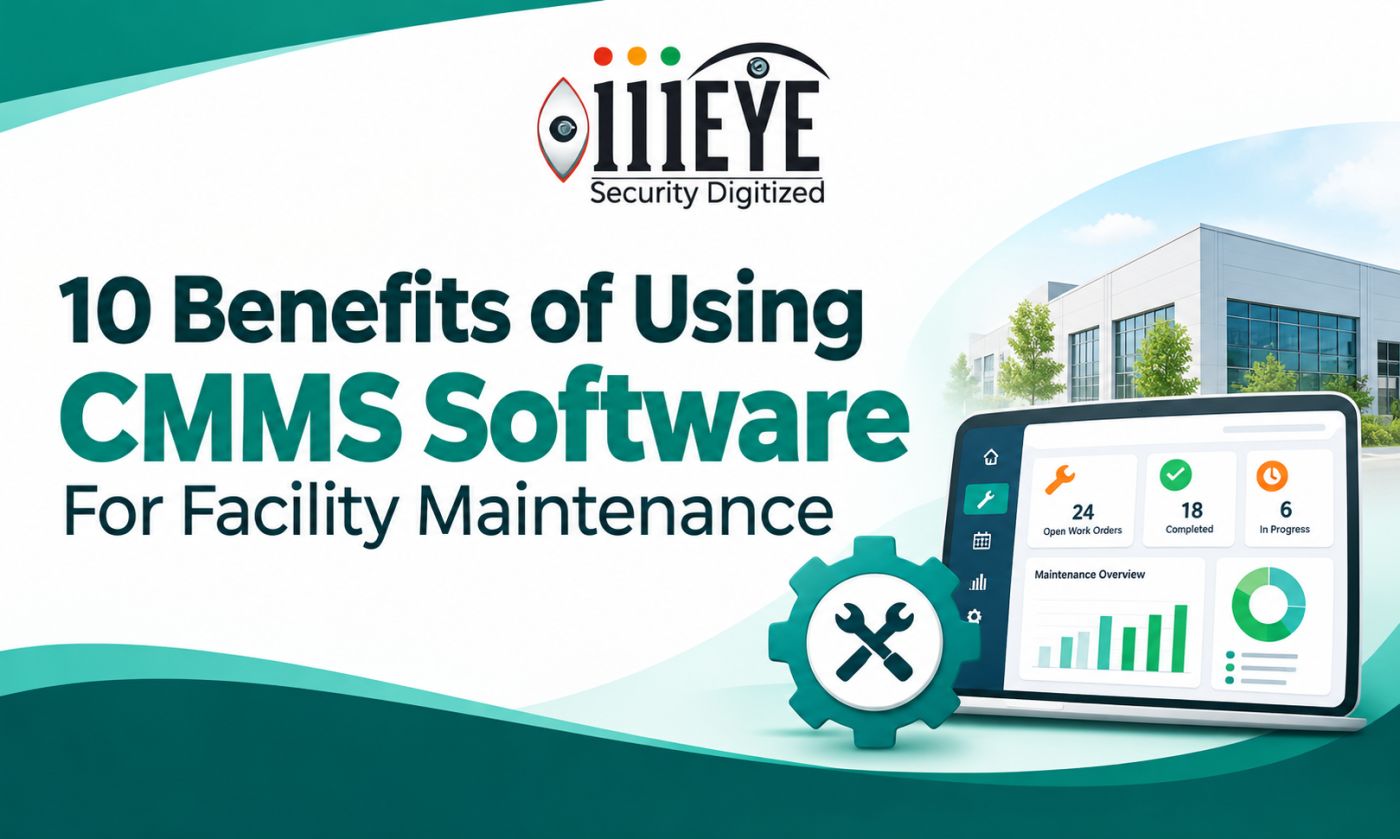
Facility managers need visibility across their entire operation. CMMS dashboards and reports can provide information about open work orders, completed tasks, equipment downtime, preventive maintenance, and technician performance. This makes it easier to identify areas that require attention.
9. Supports Compliance and Maintenance Records
Facilities may need to maintain records of inspections, repairs, servicing, and equipment history for internal reviews or audits. Keeping these records digitally can make documentation more organized and easier to retrieve when required.
10. Supports Data-Driven Maintenance Decisions
One of the biggest advantages of modern CMMS platforms is the maintenance data they collect over time. Managers can analyze recurring breakdowns, downtime, maintenance frequency, and work-order trends to understand where improvements are needed.
Also, Read more here - CMMS Software Cost: A Complete Breakdown
Why Choose CMMS Software for Facility Maintenance?
The best CMMS software is not necessarily the one with the longest feature list. It should fit the way your maintenance team actually works. Important capabilities include work order management, preventive maintenance scheduling, asset tracking, service history, reporting, technician assignment, and easy access to maintenance information.
For organizations looking for CMMS software in India, IIIEYE provides a cloud-based maintenance platform designed to help manage facility assets, breakdown requests, preventive maintenance, technician assignments, AMC and warranty tracking, and maintenance reports from a centralized system.
Frequently Asked Questions
Q1. What is CMMS software used for?
Ans. CMMS software is used to organize and manage maintenance activities, including work orders, asset records, preventive maintenance, service history, technician tasks, and maintenance reporting.
Q2. Can CMMS be used for office and facility maintenance?
Ans. Yes. CMMS can be used to manage assets such as HVAC systems, elevators, generators, fire safety equipment, electrical systems, and other facility infrastructure.
Q3. Is CMMS useful for Indian businesses?
Ans. Yes. CMMS software in India can help organizations replace manual maintenance processes with centralized digital workflows, making it easier to track assets, schedule maintenance, and monitor work orders.
Conclusion
Effective facility maintenance requires more than responding to breakdowns. It requires planning, accurate records, timely servicing, and clear visibility into every maintenance activity. CMMS software brings these processes together and helps facility teams move from reactive maintenance toward a more organized and proactive approach.
For businesses managing multiple assets or facilities, a solution such as IIIEYE CMMS can provide a structured way to manage maintenance operations, improve visibility, and keep important maintenance records accessible in one place.